Highlighter is on. Drag to highlight text. Click a highlight to remove it.
ALL / Cardiology
Aortic stenosis
Aortic stenosis
Clinical features of symptomatic disease- chest pain
- dyspnoea
- syncope / presyncope (e.g. exertional dizziness)
- murmur
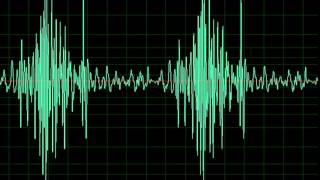
- an ejection systolic murmur (ESM) is classically seen in aortic stenosis
- classically radiates to the carotids
- this is decreased following the Valsalva manoeuvre
Features of severe aortic stenosis
- narrow pulse pressure
- slow rising pulse
- delayed ESM
- soft/absent S2
- S4
- thrill
- duration of murmur
- left ventricular hypertrophy or failure
Causes of aortic stenosis
- degenerative calcification (most common cause in older patients > 65 years)
- bicuspid aortic valve (most common cause in younger patients < 65 years)
- William's syndrome (supravalvular aortic stenosis)
- post-rheumatic disease
- subvalvular: HOCM
Management
- if asymptomatic then observe the patient is a general rule
- if symptomatic then valve replacement
- if asymptomatic but valvular gradient > 40 mmHg and with features such as left ventricular systolic dysfunction then consider surgery
- options for aortic valve replacement (AVR) include:
- surgical AVR is the treatment of choice for young, low/medium operative risk patients. Cardiovascular disease may coexist. For this reason, an angiogram is often done prior to surgery so that the procedures can be combined
- transcatheter AVR (TAVR) is used for patients with a high operative risk
- balloon valvuloplasty
- may be used in children with no aortic valve calcification
- in adults limited to patients with critical aortic stenosis who are not fit for valve replacement
+PassMedicine Notes
Clinical features of symptomatic disease
- chest pain
- dyspnoea
- syncope / presyncope (e.g. exertional dizziness)
- murmur
- an ejection systolic murmur (ESM) is classically seen in aortic stenosis
- classically radiates to the carotids
- this is decreased following the Valsalva manoeuvre
- narrow pulse pressure
- slow rising pulse
- delayed ESM
- soft/absent S2
- S4
- thrill
- duration of murmur
- left ventricular hypertrophy or failure
- degenerative calcification (most common cause in older patients > 65 years)
- bicuspid aortic valve (most common cause in younger patients < 65 years)
- William's syndrome (supravalvular aortic stenosis)
- post-rheumatic disease
- subvalvular: HOCM
- if asymptomatic then observe the patient is a general rule
- if symptomatic then valve replacement
- if asymptomatic but valvular gradient > 40 mmHg and with features such as left ventricular systolic dysfunction then consider surgery
- options for aortic valve replacement (AVR) include:
- surgical AVR is the treatment of choice for young, low/medium operative risk patients. Cardiovascular disease may coexist. For this reason, an angiogram is often done prior to surgery so that the procedures can be combined
- transcatheter AVR (TAVR) is used for patients with a high operative risk
- balloon valvuloplasty
- may be used in children with no aortic valve calcification
- in adults limited to patients with critical aortic stenosis who are not fit for valve replacement
Aortic Stenosis Management Pathway