Highlighter is on. Drag to highlight text. Click a highlight to remove it.
ALL / Dermatology
Seborrhoeic dermatitis in adults
Seborrhoeic dermatitis in adults
Seborrhoeic dermatitis in adults is a chronic dermatitis thought to be caused by an inflammatory reaction related to a proliferation of a normal skin inhabitant, a fungus called Malassezia furfur (formerly known as Pityrosporum ovale). It is common, affecting around 2% of the general population.Features
- eczematous lesions on the sebum-rich areas: scalp (may cause dandruff), periorbital, auricular and nasolabial folds
- otitis externa and blepharitis may develop
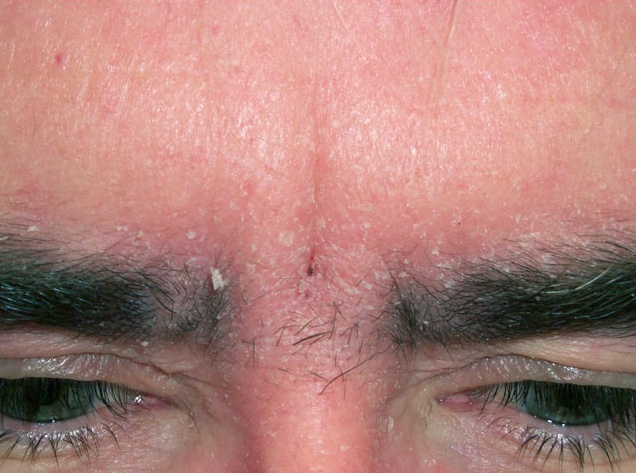
Seborrhoeic dermatitis
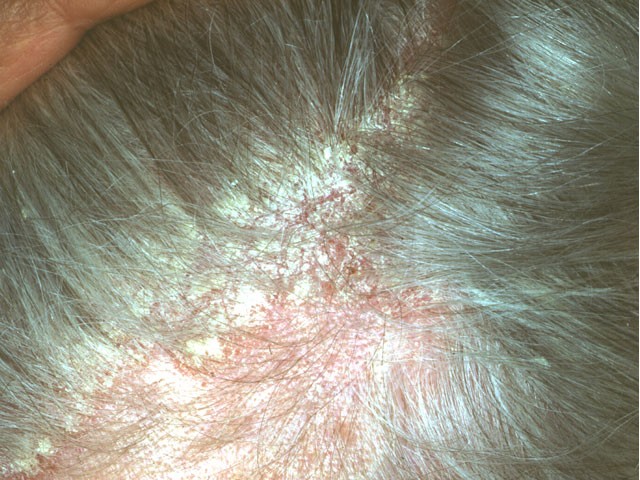
Seborrhoeic dermatitis
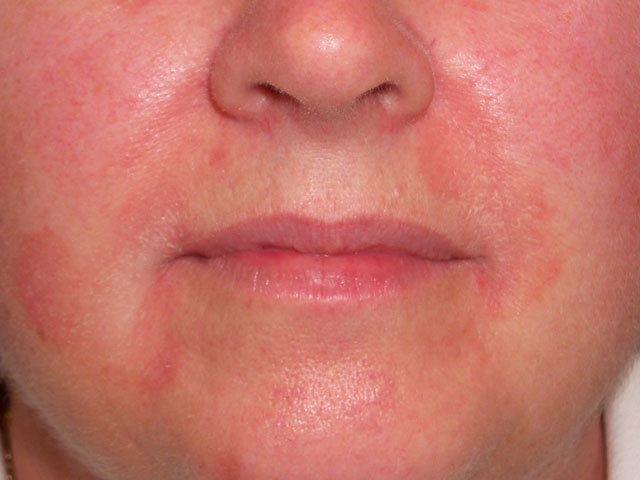
Seborrhoeic dermatitis
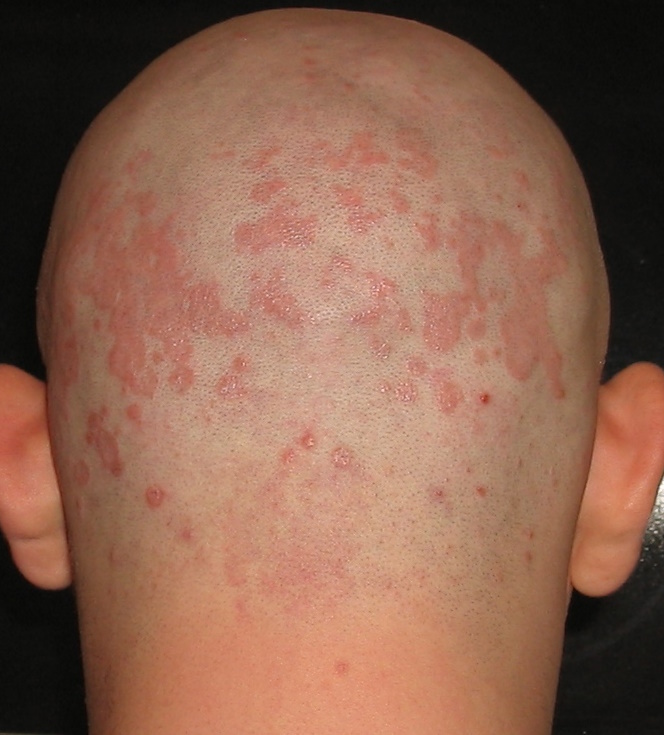
Acute form of seborrheic dermatitis on the scalp.
Associated conditions include
- HIV
- Parkinson's disease
Scalp disease management
- the first-line treatment is ketoconazole 2% shampoo
- over the counter preparations containing zinc pyrithione ('Head & Shoulders') and tar ('Neutrogena T/Gel') may be used if ketoconazole is not appropriate or acceptable to the person
- selenium sulphide and topical corticosteroid may also be useful
Face and body management
- topical antifungals: e.g. ketoconazole
- topical steroids: best used for short periods
- difficult to treat - recurrences are common
+PassMedicine Notes
Seborrhoeic dermatitis in adults is a chronic dermatitis thought to be caused by an inflammatory reaction related to a proliferation of a normal skin inhabitant, a fungus called Malassezia furfur (formerly known as Pityrosporum ovale). It is common, affecting around 2% of the general population.
Features- eczematous lesions on the sebum-rich areas: scalp (may cause dandruff), periorbital, auricular and nasolabial folds
- otitis externa and blepharitis may develop
- HIV
- Parkinson's disease
- the first-line treatment is ketoconazole 2% shampoo
- over the counter preparations containing zinc pyrithione ('Head & Shoulders') and tar ('Neutrogena T/Gel') may be used if ketoconazole is not appropriate or acceptable to the person
- selenium sulphide and topical corticosteroid may also be useful
- topical antifungals: e.g. ketoconazole
- topical steroids: best used for short periods
- difficult to treat - recurrences are common